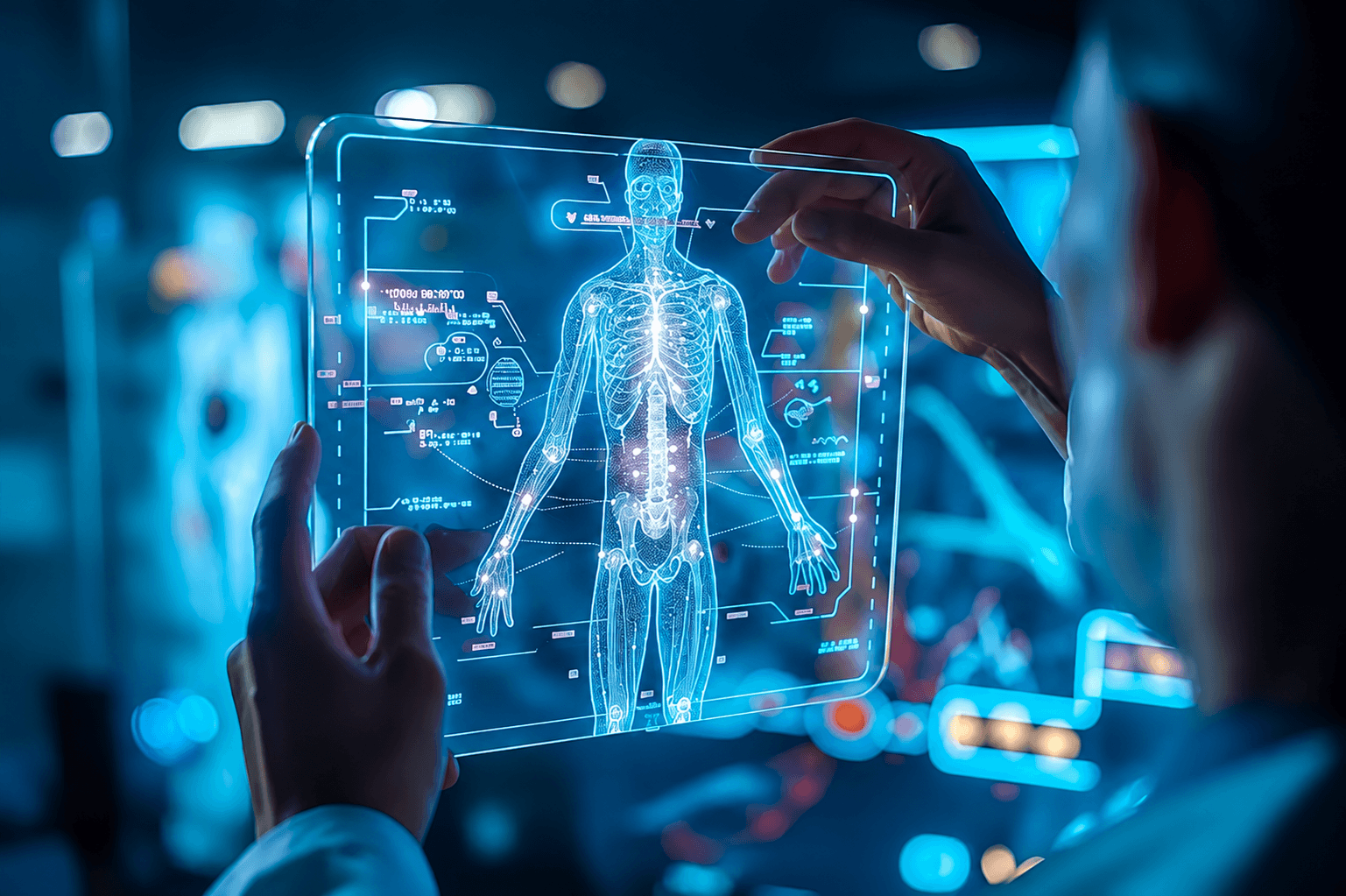
Public health surveillance has always depended on one fundamental ability of knowing what is happening in a population’s health and responding before a problem becomes a crisis.
For decades, public health professionals have collected and analyzed information from hospitals, laboratories, communities, health facilities, and other sources to detect diseases, monitor trends, and guide interventions. Today, the volume, speed, and complexity of health information are increasing rapidly.
Artificial intelligence (AI) is changing how this information can be processed and interpreted. From identifying unusual disease patterns to analyzing large datasets and supporting early outbreak detection, AI is creating new possibilities for public health surveillance.
But as technology becomes more capable, one question becomes increasingly important: Will AI replace public health professionals, or will it change how they work? The answer lies in collaboration.
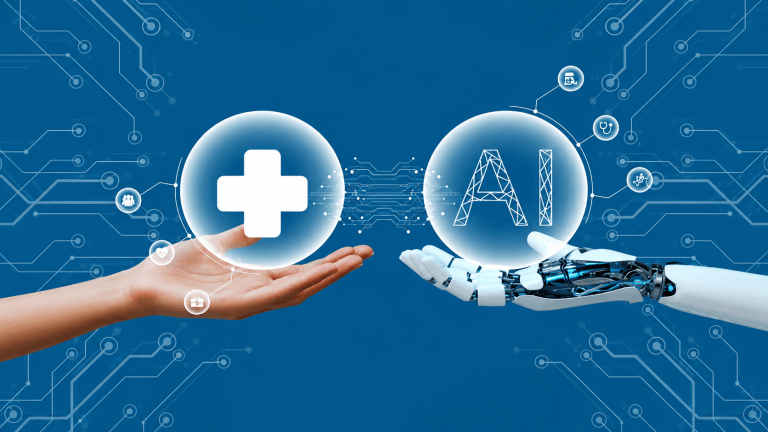
The future of public health surveillance will not be defined by humans working separately from machines. Instead, it will depend on creating effective systems where artificial intelligence strengthens human expertise, while public health professionals provide the judgment, context, ethics, and accountability that technology cannot replace.
Why Public Health Surveillance Is Changing
Traditional surveillance systems remain essential, but they can face challenges such as delayed reporting, fragmented datasets, limited resources, and the increasing volume of information that must be analyzed.
At the same time, valuable health signals can emerge from diverse sources, including electronic health records, laboratory systems, environmental monitoring, community reports, and digital platforms.The challenge is no longer simply collecting information, It is making sense of the information quickly enough to support action.
AI can help address this challenge by processing large amounts of data, identifying patterns, detecting anomalies, and supporting predictive analysis.
For example, an AI system could identify an unusual increase in reports of similar symptoms across different locations and flag the pattern for further investigation.
This does not mean that AI has “detected an outbreak” on its own; Rather, it has helped public health professionals identify a potential signal that requires human investigation and that distinction is critical.
What AI Can Bring to Public Health Surveillance
Artificial intelligence can strengthen surveillance in several ways.
1. Faster Data Analysis: Public health teams may need to analyze thousands or even millions of records. AI can process large datasets much faster than traditional manual approaches, allowing professionals to spend more time interpreting findings and responding to emerging threats.
2. Earlier Detection of Signals: AI can identify unusual changes in health data that might otherwise take longer to recognize. Earlier signals can give public health authorities more time to investigate potential threats and prepare an appropriate response.
3. Predictive Insights: AI-supported models can analyze historical and real-time information to identify potential trends and estimate future risks. These insights can support preparedness by helping authorities consider where health threats may emerge and where resources might be needed.
4. Connecting Multiple Sources of Information: Health threats do not always appear in a single dataset. AI can help bring together information from different sources, potentially providing a more complete picture of what is happening within a population. However, the usefulness of these capabilities depends heavily on data quality, system design, governance, and human oversight.
Human-Machine Collaboration: The New Workforce Model
The emergence of AI does not necessarily mean fewer public health professionals. Instead, it is likely to change the skills that public health workers need. Future professionals may increasingly work alongside AI systems to analyze information, interpret predictions, evaluate risks, and make decisions.
This creates a new model of human-machine collaboration:
AI processes-Humans Interpret
AI identifies- Humans Provide context
AI supports Predictions- Humans make decisions
AI helps monitor outcomes- Humans remain accountable
The workforce of the future will therefore need both technical literacy and public health expertise. Public health professionals may need to understand how AI systems work, what their limitations are, how to interpret AI-generated outputs, and how to recognize potential bias or errors.
At the same time, data scientists, AI developers, and technology professionals working in health will need a stronger understanding of epidemiology, health systems, ethics, and the realities of public health practice. The future workforce will increasingly depend on multidisciplinary collaboration.
New Skills for the Future of Public Health Professionals
As AI becomes more integrated into surveillance systems, several skills will become increasingly valuable.
Data Literacy: Public health professionals will need to understand how data is collected, analyzed, interpreted, and communicated.
AI Literacy: They do not necessarily need to become AI engineers, but they should understand the basic capabilities and limitations of AI systems.
Critical Thinking: Professionals must be able to question AI-generated results rather than automatically accepting them.
Ethical Decision-Making: AI-supported surveillance raises important questions about privacy, fairness, bias, transparency, and responsible use of personal information.
Communication: Turning complex data and AI-generated insights into clear messages for policymakers, healthcare workers, and communities will remain essential.
Adaptability: Technology will continue to evolve. Professionals who are willing to learn, adapt, and work across disciplines will be better positioned to contribute to the future of public health.
The Future of Public Health Surveillance Is Collaborative
The most effective surveillance systems of the future are likely to combine the strengths of both humans and machines.
AI offers speed, scale, pattern recognition, automation, and analytical capacity on the other hand, Humans offer context, empathy, judgment, ethics, creativity, communication, and accountability and Neither is sufficient on its own.
A highly advanced AI system cannot understand every social factor influencing a community. Likewise, even the most experienced public health professional cannot manually analyze every piece of information generated by a modern health system.
Together, however, they can create a more responsive Public health surveillance system.
The pathway could look like this:
Data → AI Analysis → Signal Detection → Human Verification → Expert Interpretation → Public Health Decision → Action → Evaluation
This model places technology where it is most useful while keeping responsibility and decision-making firmly connected to human expertise.
Human Expertise + AI: A Stronger Future for Public Health Surveillance
The future of public health surveillance will not belong exclusively to machines(AI) or humans.
It will belong to effective collaboration between machine and humans. AI can help public health professionals see more, analyze faster, detect signals earlier, and prepare more effectively.
Human expertise ensures that these capabilities are translated into decisions that are scientifically sound, ethically responsible, contextually appropriate, and accountable to the communities being served.
Ultimately, the goal is not to create a surveillance system with less human involvement, It is to create one where human expertise is amplified by intelligent technology.
That is the real promise of the future of public health surveillance; not replacing the people behind public health, but equipping them with better tools to protect populations and respond to health threats.
Join the Conversation
What will happen when artificial intelligence and public health expertise work together to detect outbreaks earlier?
How can health professionals prepare for an increasingly AI-enabled surveillance environment?
And what will human expertise look like in the next generation of public health intelligence?
Explore these questions and more at our upcoming webinar:
AI for Public Health Surveillance:The Future of Outbreak Detection and Health Intelligence
Register now: http://www.gphcb.org/webinar
Be part of the conversation shaping the future of public health surveillance and health intelligence.