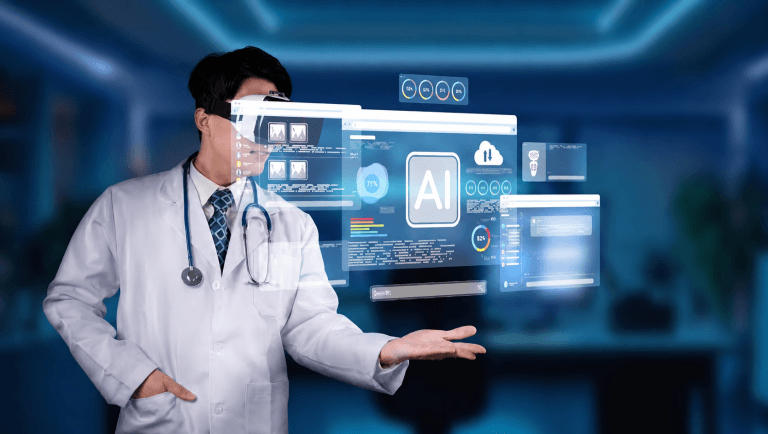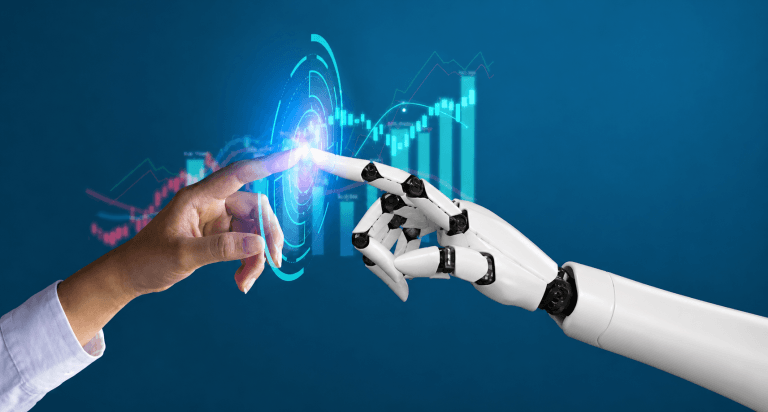

Finding health problems early is very important for health surveillance. The sooner we know about a health threat the more time we have to look into it and take action to prevent it from spreading. As more and more people travel and connect with each other we need to be able to look at a lot of information and make good decisions.
Public health surveillance systems used to rely on reports from hospitals, laboratories and public health authorities. These systems are still important. Now we have a lot of digital information to look at and it is hard to analyze it all quickly. Artificial intelligence or AI for short is helping us with this problem by making it easier to collect analyze and understand the information we have. This means we can detect outbreaks earlier and take action faster.
Why Surveillance Needs Artificial Intelligence
The main goal of public health surveillance is not just to collect information but to use it to take action. However we have much information now that it is hard to look at it all and find the important things.
AI is helping us by looking at the information and finding patterns that might mean there is a health problem. AI is not replacing the people who work in health but it is helping them by doing some of the work that takes a long time. This means the public health professionals can focus on the things like figuring out what the information means and what to do about it.
Enhancing Data Processing for Surveillance
We get information from different sources like hospitals, laboratories and news reports. Looking at all this information by hand takes a time and is hard work.
AI is helping us by looking at all the information and finding the important things. This means we can react faster to health problems. AI is making it easier to look at the information and find the things that might mean there is a health problem.
Detecting Outbreak Signals
One of the best things AI is doing for public health surveillance is helping us find health problems early.
AI can look at a lot of information from sources and find patterns that might mean there is a health problem. This means we do not have to wait for the reporting systems to tell us there is a problem. AI can help us find the problem early so we can take action sooner.
Accelerating Data Analysis to Support Timely Decisions
Just finding a health problem is not enough. We need to look at the information to make sure it is a real problem.
AI is helping us by looking at the information and finding the important things. This means we can make decisions faster and take action sooner. AI is making it easier to look at the information and figure out what to do.
WHO’s Experience in AI-Enabled Surveillance
The World Health Organization is using AI to help with surveillance. They have a system called Epidemic Intelligence from Open Sources or EIOS for short.
EIOS looks at a lot of information from sources and uses AI to find patterns that might mean there is a health problem. This means the public health professionals can react faster to health problems and take action sooner.
Challenges in AI-Enabled Surveillance
AI is not perfect. It has some limitations.
The information AI looks at needs to be quality or it might not work well. Also the people who work in public health need to look at the information AI finds and decide what to do. We also need to make sure we are using AI in a way that’s fair and respectful of peoples privacy.
AI is changing the way we do public health surveillance. It is making it faster more efficient and better at finding health problems
AI is helping us by looking at the information finding patterns and taking action sooner. As we continue to use AI it will become a more important tool for keeping people healthy. However AI is not meant to replace the people who work in health but to help them do their jobs better.
The future of public health is not about replacing professionals with technology. It is about preparing professionals to use technology responsibly, ethically and effectively.
That is the conversation we are bringing to the GPHCB Global Webinar:
AI for Public Health Surveillance: The Future of Outbreak Detection and Health Intelligence
Join public health professionals, students, researchers, institutions and emerging leaders as we explore how AI and human expertise can work together to detect earlier, decide better and protect communities more effectively.
August 27–29, 2026
Register now: www.gphcb.org/webinar
References
World Health Organization. Epidemic Intelligence from Open Sources (EIOS). Geneva: WHO. Available at: https://www.who.int/initiatives/eios
World Health Organization.. Governance of artificial intelligence, for health. Geneva: WHO; 2021.