
About This Faculty
The Faculty of Medical Affairs at the Global Public Health Credentialing Board Inc. (GPHCB) prepares learners, healthcare professionals, scientists, pharmacists, clinicians, public health practitioners, and life sciences professionals to operate at the intersection of clinical evidence, regulatory responsibility, scientific communication, stakeholder engagement, and patient-centered strategy.
Medical Affairs is a critical scientific function that helps translate complex clinical and product evidence into accurate, balanced, ethical, and useful knowledge for healthcare professionals, patients, payers, regulators, internal teams, and public health stakeholders. The faculty emphasizes advanced evidence literacy, communication excellence, compliance discipline, health equity, digital innovation, and real-world application across pharmaceutical, biotechnology, medical device, diagnostics, digital health, and public health organizations.
Meet Our Leadership
Learn from experienced academics and industry professionals.

Frazier B Beatty PhD, MPH, CHES, DEI
President, GPHCB
Public Health
Business Management and Administration
Dr. Frazier Beatty, founder of GPHCB, is an Assistant Professor and Director of the online MPH Program at Regis College, and a retired US Marine Corps Gunnery Sergeant with 28 years of logistics experience. His military discipline and operational expertise inform his public health approach, with scholarly work spanning Telehealth, HIV, STIs, Social Determinants of Health, and Obesity research.

Amom Tor-Anyiin, RPh, PhD
Pharmacoepidemiology Expert
pharmacoepidemiology
Public Health
Dr. Amom Tor-Anyiin is a practicing pharmacist in the USA and a public health professional with global experience in public health and health system management. His experience cut across different international non-governmental organizations in providing technical leadership in procurement and supply chain management for different health programs, including malaria, HIV, Reproductive Health, and Family Planning. Research interests include antimicrobial stewardship, HIV epidemiology, pharmacoepidemiology, and health system strengthening. Countries where he has worked include Tanzania, Switzerland, South Sudan, Nigeria, Sudan, Canada, Kenya, and the USA.
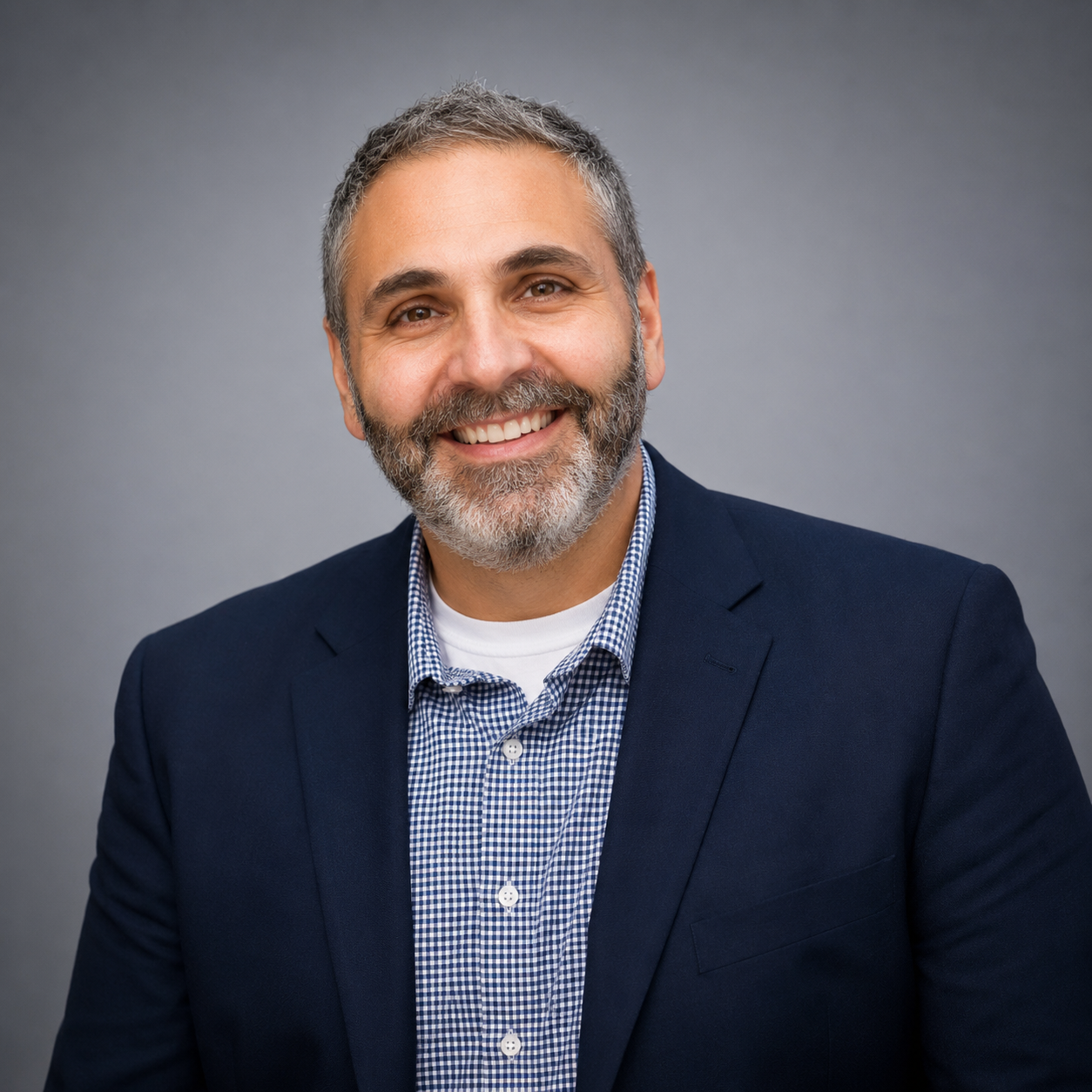
Hadi Danawi, PhD, MPH
Professor of Epidemiology
Epidemiology
Global Public Health
Dr. Danawi, Ph.D., is a Professor of Epidemiology with 25+ years of experience and over 200 publications. His expertise spans Public Health Planning, Environmental Health, and Global Public Health. He is actively involved in remote consulting, higher education programs (online and in-person), and clinical trial design and management.

Terah Tessier PhD, MSc
Global Public Health Expert
Health Policy
Community Health
Terah Tessier PhD, MSc., is a Professor of Public Health with extensive expertise in global health, policy, and community impact. She combines rigorous scholarship with practical leadership to advance public health education and practice. Her work is dedicated to strengthening communities, promoting health equity, and developing future public health leaders

Gabriella Kőrösi, PhD, RN, MN
Public Health Expert
Community Health
Mental Health
Dr. Gabriella Kőrösi, Ph.D., is a public health and nursing expert with extensive experience in community health, mental health, and substance abuse treatment. She has served in clinical, educational, and leadership roles, including as a Substance Abuse Treatment Program RN at the Veterans Administration and nursing educator at multiple colleges.

Gayle D. Jones, PhD, MPH, CHES
Associate Professor
Community Health
Health Policy & Research
Dr. Gayle D. Jones is an Associate Professor and Department Chair with extensive experience in public health education, community health, and maternal and child health. Her career spans leadership roles from Senior Health Educator to State Director for Children’s Health, combining research, policy, and practice to advance quality public health education and community impact.
Popular Study Areas
Learn from experienced academics and industry professionals.

Foundations of Medical Affairs
Purpose, structure, roles, professional standards, stakeholder relationships, and strategic value of Medical Affairs.

Drug Development and Clinical Research
Discovery, preclinical evidence, clinical trial phases, protocols, endpoints, ethics, GCP, operations, and evidence generation.

Medical Information and Scientific Communications
Inquiry handling, literature appraisal, labeling review, standard responses, publication ethics, health literacy, and quality review.

Regulatory Affairs and Compliance
FDA regulations, submissions, labeling, promotional review, inspections, safety reporting, compliance governance, and risk management.

Clinical Pharmacology for Medical Affairs Professionals
Examine clinical pharmacology principles relevant to Medical Affairs professionals. This course introduces pharmacokinetics, pharmacodynamics, therapeutic decision-making, precision medicine, drug response, and clinical application of pharmacology.

Biostatistics and Evidence Evaluation
Build the ability to interpret clinical and scientific evidence using biostatistics and structured evidence appraisal. Learners study research interpretation, statistical methods, literature appraisal, data-driven decision-making, and evaluation of evidence quality.

Real-World Evidence and Pharmacoepidemiology
Explore how real-world data and pharmacoepidemiology support healthcare decision-making, safety monitoring, population health, and Medical Affairs strategy. Topics include observational studies, post-market surveillance, real-world data, and population health applications.

Medical Affairs Strategy and Lifecycle Management
Study how Medical Affairs supports strategic planning across the product lifecycle. Learners explore product launch support, lifecycle management, Medical Affairs operations, evidence strategy, cross-functional collaboration, and strategic medical planning.

Medical Science Liaison Practice
Prepare for field medical and Medical Science Liaison practice through applied study of key opinion leader engagement, scientific presentations, stakeholder management, field medical strategy, insight capture, and professional scientific exchange.

Patient Engagement and Health Equity in Medical Affairs
Patient-centered evidence, inclusive communication, access barriers, health equity strategy, and community-informed Medical Affairs.

Health Economics and Outcomes Research (HEOR)
Examine how health economics and outcomes research support value-based healthcare, reimbursement, access, and Medical Affairs decision-making. Topics include cost-effectiveness, value-based care, economic evaluation, payer evidence, and outcomes research.

Leadership, Innovation, and Artificial Intelligence in Medical Affairs
Explore leadership, change management, innovation, and AI applications in modern Medical Affairs. This course prepares learners to understand future trends, digital transformation, responsible AI adoption, and leadership in evolving healthcare and life sciences environments.

Research & Innovation
Our faculty is actively engaged in research that addresses real-world challenges and drives innovation across industries.
Beyond Classroom Learning
Students gain hands-on experience through internships, workshops, and real-world projects, preparing them for successful careers.
Hear from Our Students and Alumni
Discover how GPHCB has empowered students to thrive in their academic and career journeys.

Devon Lane

"Joining this platform exceeded my expectations. The Community Public Health and Leadership programs were highly practical and well-structured, covering essential areas such as community health systems, health communication, and social entrepreneurship. What stood out most was how the learning was grounded in real-world community challenges, making it easy to apply immediately in my own setting. The instructors brought deep field experience, and the modules strengthened my confidence in leading community-based health initiatives. I especially appreciated the focus on practical leadership and building sustainable" impact at the community level

Daniel Tran
"As a learner in the program, I can confidently say this platform equipped me with the practical skills I needed to make real impact in my community. The curriculum was well-structured and highly practical, with a strong balance between foundational knowledge and hands-on application. I especially valued the opportunity to work through real community health scenarios and project-based learning that deepened my understanding of public health practice, community engagement, and sustainable development"

Mike Phys
“As a learner in this program, I can confidently say this platform gave me the tools I need to create meaningful impact in community health. The curriculum was practical and well-structured, with a strong balance between foundational knowledge and hands-on application. I especially valued the opportunity to work on real-world community health and development projects that deepened my understanding and strengthened my ability to design and support effective community-based solutions.”
Start Your Journey With Us
This faculty is appropriate for learners seeking a rigorous, applied, graduate-level pathway into Medical Affairs and related life sciences functions. The program is well suited for pharmacists, physicians, nurses, PhD scientists, public health professionals, clinical research professionals, regulatory professionals, medical writers, health educators, market access professionals, and healthcare leaders seeking to transition into Medical Affairs or deepen Medical Affairs expertise.
Learn From Around the World
Study with expert faculty and peers from different countries, bringing global knowledge into every classroom.
About Us
At Global Public Health Credentialing Boards Inc., we believe education has the power to connect people and transform lives. By bringing together students from different cultures and backgrounds, we foster a truly international learning experience.
Links
Useful Links
Contact Us
Follow Us